Best Cybersecurity Books - My Top 3 Recommended in 2026 (Plus a Bonus)

Most of my reading happens on the way to work. And by reading, I often mean listening to an audiobook.
I like having a book with me on public transport or a flight. Reading while moving used to make me dizzy, so it took me a while to get comfortable with it. Audiobooks make it easier to keep going when I don't feel like looking at a page.
The books below are ones I've actually read and liked. If you already follow cybersecurity, you've probably heard of a few of them. I still want to explain why I recommend each one and who I think should read it. There's also a bonus book about programming, because one idea from it applies to almost anything you're trying to build.
If you only want one recommendation, mine is Ghost in the Wires. I'll explain why in a minute.
CyberRecaps is supported by its readers. We may earn an affiliate commission at no extra cost to you if you buy through a link on this page.

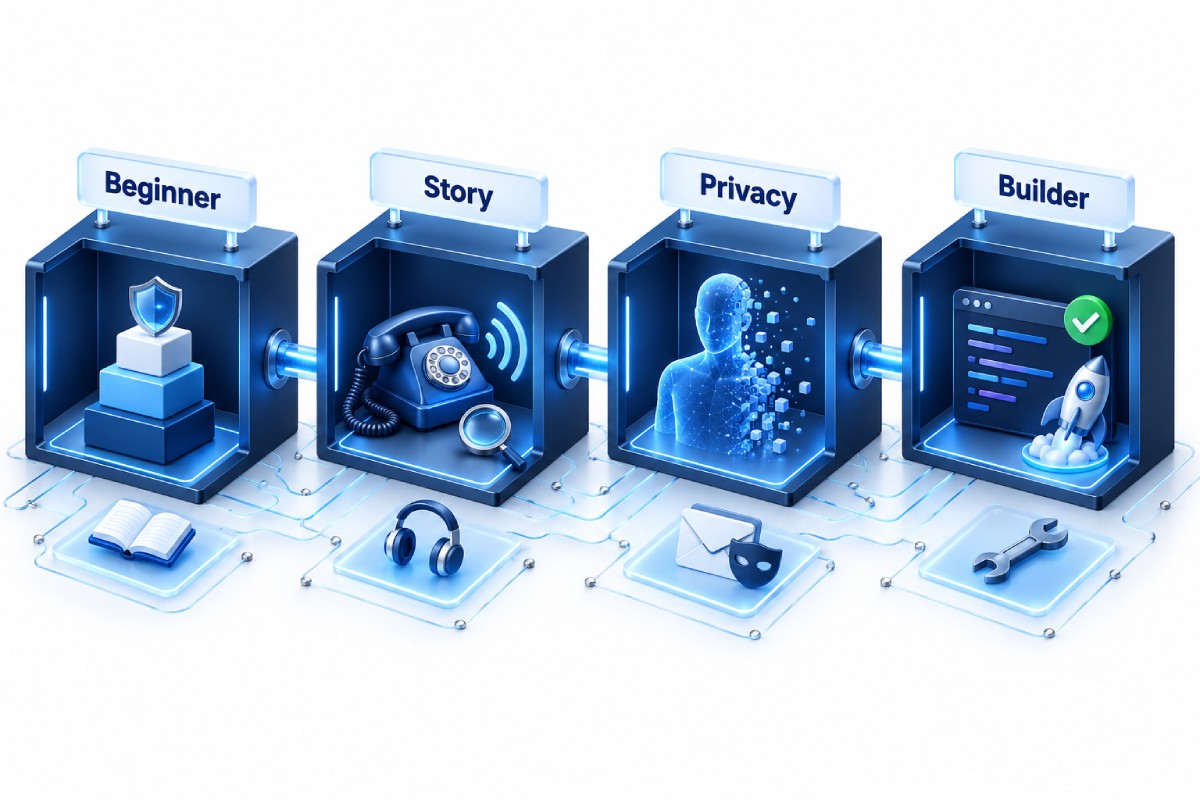
Quick picks
- New to cybersecurity? Start with Cybersecurity For Dummies.
- Want a book you won't want to put down? Ghost in the Wires.
- Thinking about your own privacy? The Art of Invisibility.
- Building something, security-related or not? The Pragmatic Programmer.
1. Cybersecurity For Dummies By Joseph Steinberg
Best for: complete beginners
This is where it started for me.
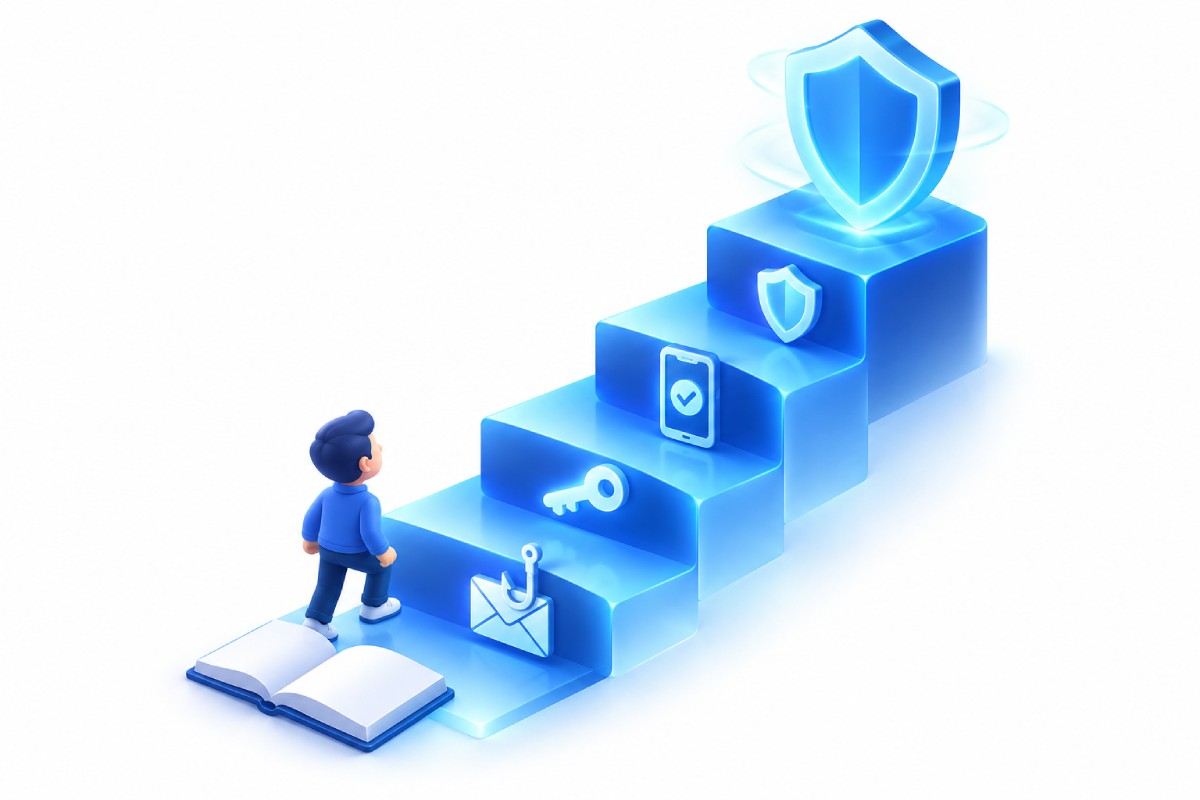
If you're entering cybersecurity and need somewhere to start, this is the book I'd point you to. It introduces common attacks, ways to protect your devices and information, and what to do when something goes wrong. That gives you a foundation for understanding the security advice you see online, instead of following instructions without knowing why they matter.
It's been like a year since I read it, so I won't pretend I remember every chapter, but the foundation it gave me stuck.
Joseph Steinberg is a cybersecurity advisor and author who has worked with businesses and governments. The book is aimed at people who need the basics explained, including readers considering a career in cybersecurity.
But be realistic about your level. If you already know how phishing works, why password managers matter, and what MFA actually protects against, you can probably skip this one. It's an introduction, not an advanced technical manual.
If those terms mean nothing to you yet, that's fine. You don't need to learn them before opening the book.
View Cybersecurity For Dummies on Amazon
2. Ghost in the Wires By Kevin Mitnick with William L. Simon
Best for: anyone who wants a book they can't put down
This is the best cybersecurity book I've read. Definitely my favorite on this list.
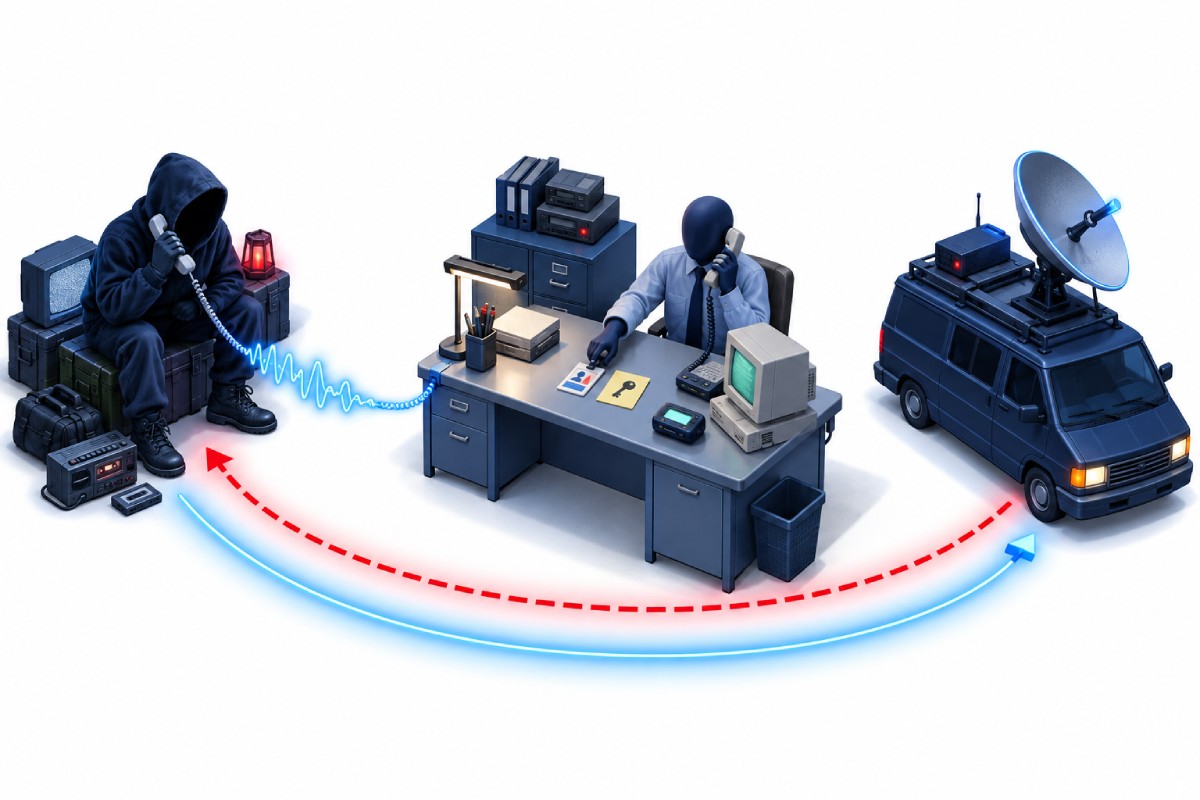
Kevin Mitnick became famous for breaking into computer and telephone systems and evading the FBI. Later, he worked as a security consultant, helping organizations find weaknesses, until his death in 2023. Ghost in the Wires is his account of the earlier part of that life, including the tricks he used and the chase that eventually caught up with him.
What makes it so good is the storytelling. I didn't feel like skipping sections or waiting for the interesting part. I wanted to know what he would try next and how long he could keep getting away with it.
You also get a very clear picture of social engineering. Someone who sounds convincing on the phone can get another person to share information or grant access they shouldn't. Following those conversations makes it easier to understand how this happens than simply being told to watch out for suspicious calls.
The parts where he monitors the people trying to catch him are some of my favorites. There's something ridiculous about the person being investigated finding ways to follow the investigation himself.
Of course, this is Mitnick telling his side of the story. Read it with that in mind. You can enjoy how clever a trick was and still recognize the trouble it caused.
If you're interested in cybersecurity but don't feel like studying after work, start here. The audiobook also fits well with the way I usually read.
View Ghost in the Wires on Amazon
3. The Art of Invisibility By Kevin Mitnick with Robert Vamosi
Best for: people rethinking their privacy
Yes, another Kevin Mitnick book, this one co-written with Robert Vamosi.
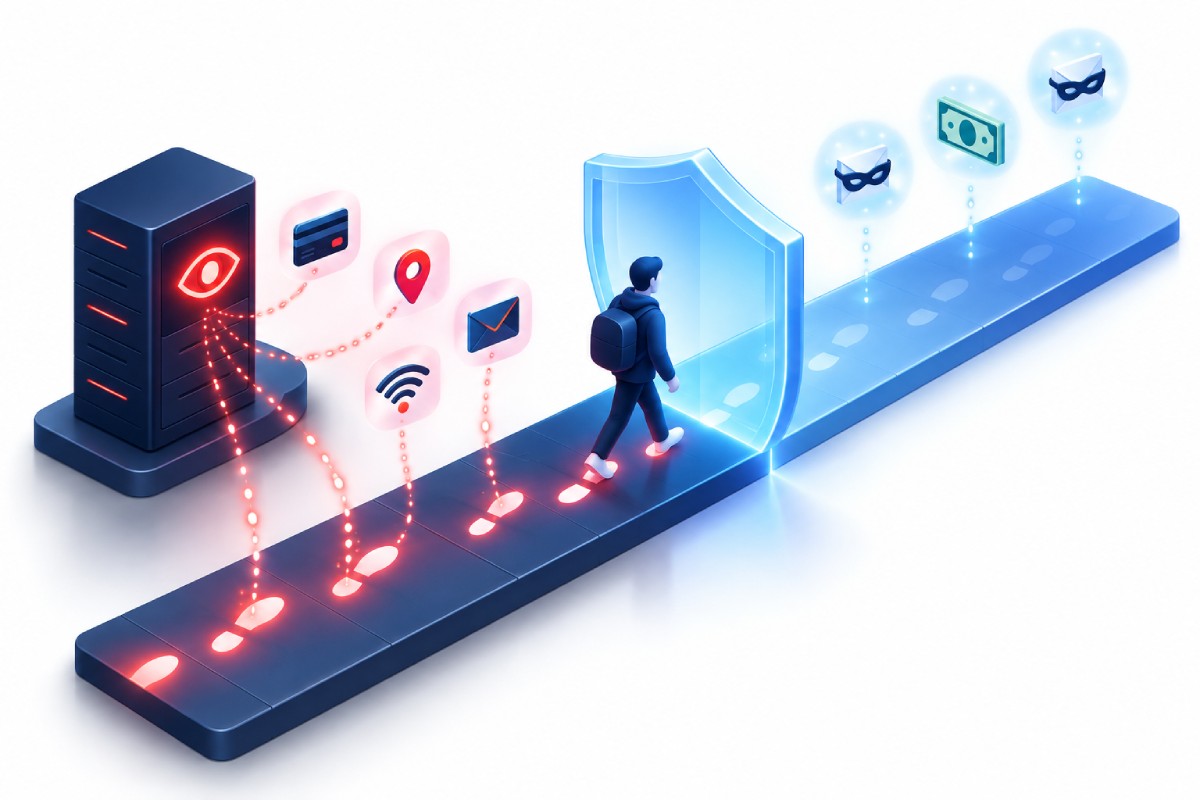
It belongs on this list for a different reason: it looks at how information about you gets exposed and what you can do to protect your privacy. I read it a while ago and don't remember every detail as clearly as I do Ghost in the Wires, but the questions it raised have stayed with me.
The book covers subjects such as passwords, Wi-Fi security, tracking, and more demanding steps for anonymity. Some of that goes further than most people need for everyday life. You can still use it to start asking better questions about the information you give away.
For practical examples of what I mean, look at the topics I've written about on Cyber Recaps. Does every website need your real email address? Could you use a separate alias for each account? Would you prefer to move your personal conversations to Signal? Even paying cash for an ordinary purchase can avoid adding it to your card transaction history.
Those are my examples of everyday privacy choices. I explain the email part in "How to Sign Up for Any Website Without Giving Your Real Email" and the messaging part in my Signal vs. WhatsApp article.
One thing to keep in mind for 2026: The Art of Invisibility was published in 2017. Apps and services have changed since then, so check any specific tool or setup instructions before following them. I'd use it to understand privacy problems, then check how to address those problems with the tools available now.
View The Art of Invisibility on Amazon

Bonus Book: The Pragmatic Programmer By David Thomas and Andrew Hunt
Best for: anyone building something, security-related or not
This one is about software development. I'm including it because plenty of people interested in cybersecurity also build things, whether that's a small script, an open-source tool, a game, or a cybersecurity newsletter.
I'm referring to the 20th Anniversary Edition, published in 2019. It updates the original book and covers subjects such as maintaining code, testing, automation, and taking responsibility for the software you produce. It's organized into short sections with tips and examples, which makes it easier to work through a little at a time.
The idea that stayed with me most was "good enough" software.
You build something, and just before publishing it, you think of another thing to improve. Then another. Maybe the design needs work. Maybe you should add one more feature. You keep finding reasons to wait, and the project never reaches anyone.
Think about the programs you use every day. Are they perfect? Do they have zero bugs? Of course not. You use them because they do something useful well enough for you to keep using them.
That doesn't mean ignoring a broken login or publishing something that exposes people's data. It means knowing which problems actually need to be fixed before release and which improvements can wait. A useful first version gives people something to try and gives you feedback you can work with.
If you're building with AI, this is especially easy to recognize. You can keep asking it to change things forever. At some point, you need to test what you have and decide whether it does the job.
That's why this book made the list. The "good enough" lesson applies well beyond writing code.
View The Pragmatic Programmer on Amazon

What I'm Reading Now
Right now, I'm reading Sandworm by Andy Greenberg. It follows the investigation into a Russian hacking group and destructive cyberattacks, including attacks on Ukraine's power grid and the spread of NotPetya.
Once I finish it, I'll come back and add my thoughts here.
If you've read something you think belongs on this list, tell me which book and what stayed with you. I'm always looking for the next audiobook for the commute.